

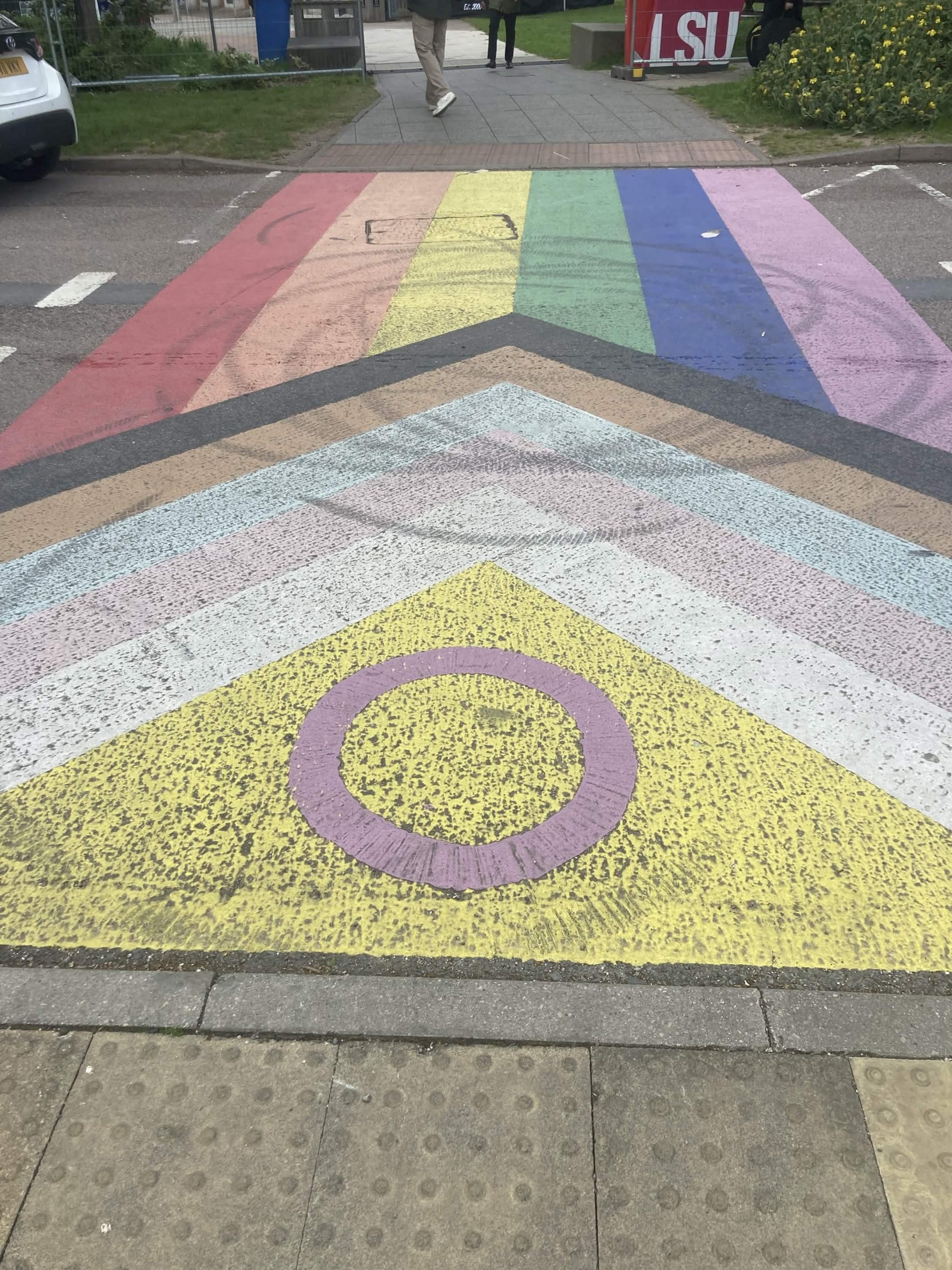
TW: suicide, homophobia
On Good Friday, I went to watch football as I so often do. It was a pretty dull affair, ending 1-1 with nothing particularly of note on the pitch. However, throughout the match I was stood behind this middle-aged man, roughly mid-40’s, who repeatedly shouting homophobic abuse and slurs at the players on the pitch. He went on to make comments about the player’s girlfriends that were incredibly demeaning and objectifying. Standing right in front of him was this young boy, no more than 8, who was looking up, laughing and smiling at these comments, whilst the boy’s father laughed along too.
I couldn’t help but feel incredibly sad at the whole spectacle, thinking to myself, “How can a father be okay with a young boy hearing these things like it’s completely normal?” This is how these harmful and hateful ideologies become normalised in communities, and at such a young age.
It’s no surprise that the world of male sports is massively homophobic. Hypermasculine sporting cultures cultivate a sphere of toxic masculinity which reinforces hegemonic ideas of sexuality. There are roughly 1600-1700 players in the top 4 leagues of English football, and yet, there are zero openly gay footballers in the EFL. Historically, there have been very few openly gay players, and the ones who do come out get subjected to harassment and abuse constantly. Justin Fashanu was a gay footballer active in the 1970’s-90s and was banned from training by manager Brian Clough upon coming out.
He later died by suicide.
The EFL has attempted to increase awareness of LGBTQIA+ issues, with the “Together” campaign, introducing rainbow armbands for team captains to wear. However, many professional footballers, notably ex-Crystal Palace Captain Marc Guehi and ex-Ipswich Town captain Sam Morsy, refused to wear the armband, citing religious reasons, but having zero opposition to wearing gambling sponsors on their chests. More recently, Ipswich Town Football Club hosted Reform UK Leader Nigel Farage for an exclusive stadium tour, with “Farage 10” replica shirts adorning the clubs changing room. Farage has openly opposed same sex marriage, and frequently champions anti-transgender ideologies and policies.
The message they are putting forward is clear – football is not a safe space for queer men.
These viewpoints are consistent throughout many sporting communities, and unfortunately, here at Loughborough too. Almost every single one of my openly LGBTQIA+ friends has been verbally abused; on nights out at the SU, in town, in pubs, bars, and clubs. I interviewed a queer student about their experiences in the SU Nightclub, and they claimed the abuse that they and their openly queer friends received was so bad that they were forced into acting as a straight couple to avoid harassment.
I reached out to the LSU for a comment about this, and what they are doing to protect queer students. After a two week wait, I received a 5-paragraph response critiquing the writing style of this article, with zero mention of the issue of homophobia, and when put through three independent AI checkers came back ‘100% AI-Generated’ each time.
It’s not all pessimistic though. In 2022, Blackpool striker Jake Daniels came out as gay, a real impactful step forward in the acceptance of queer men in football. Many queer football associations exist as well, such as the Proud Canaries, a queer-focused group for Norwich City fans. It’s safe to say that, whilst there is still a massive issue with homophobia in football, things are getting better.
There is hope for a more accepting world of football, one in which everyone is free to be themselves.
