

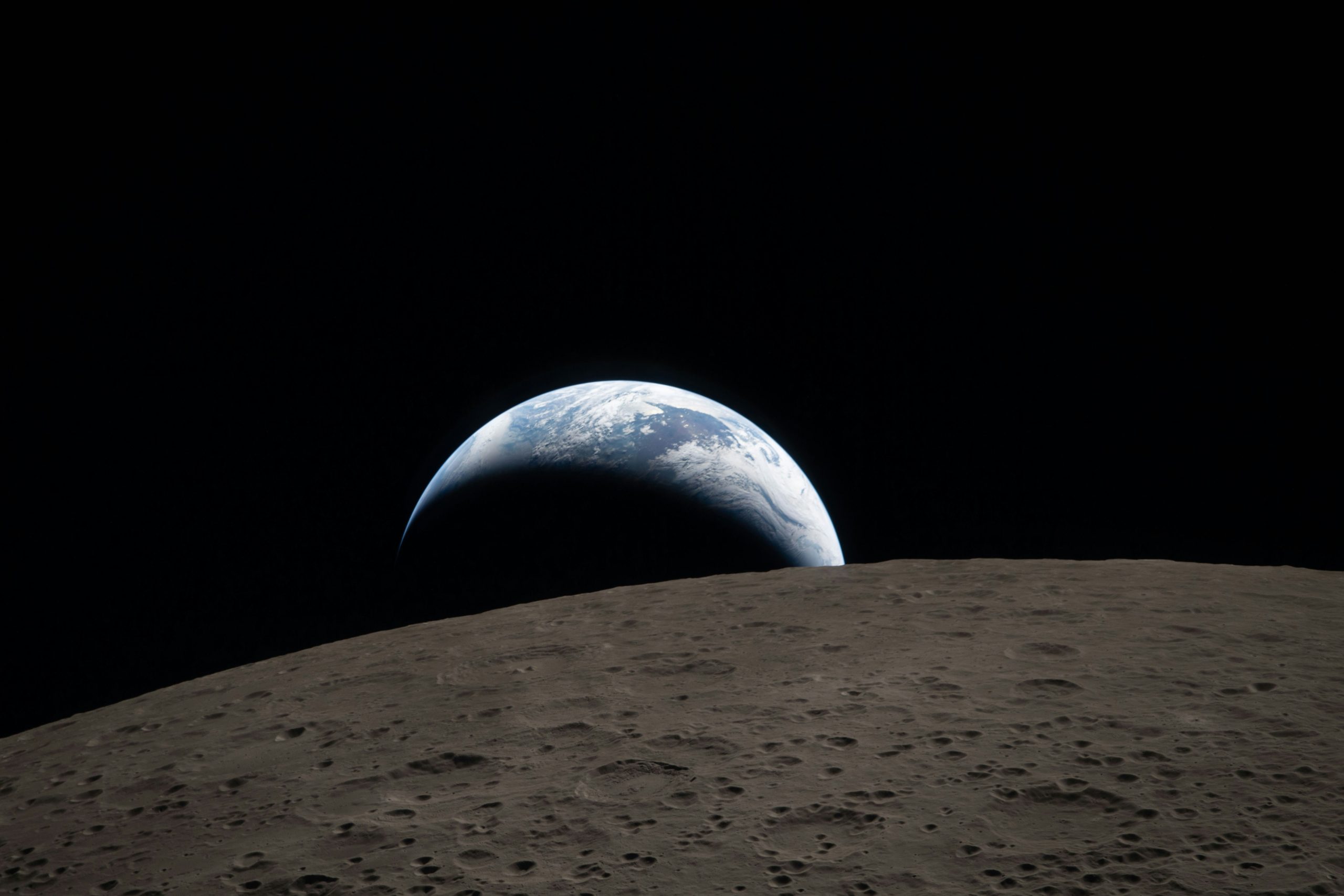
I’m sure most of you have probably seen videos and articles about the Artemis II voyage, including viral moments such as crew interviews, or the jar of Nutella spotted floating around the ship. But, what was the purpose of Artemis II? Why was it such a big deal?
For Artemis II, NASA used their latest Orion Spacecraft, something that was tested in the uncrewed Artemis 1 flight back in 2022, which they describe as being capable of sending astronauts to the moon, and as being a crucial step towards sending future crews to Mars. This successful flight therefore begins to lay the groundwork for future missions to Mars, something that humans are very keen to achieve. Artemis II was also ground-breaking as it was the first crewed Lunar flyby of the moon in over 50 years, also setting a record for human deep-space travel, travelling further than anyone on earth has done before. This, therefore, shows renewed need for space travel, and demonstrates the current successes of these missions, showing how humans are currently in a peak time for space exploration.
Artemis II was also a big deal for reasons more than just the journey: For the crew that went up there.
Consisting of Reid Wiseman, Victor Glover, Christina Koch and Jeremy Hansen, the astronauts selected were a huge source of inspiration for millions worldwide, partly because of the diversity that they provide, something that has been otherwise absent from previous explorations. Christina Koch became the first woman to travel around the moon, whilst Victor Glover became the first black astronaut to travel to the moon and pilot a spacecraft in deep space, and Jeremy Hansen became the first Canadian and non-American to travel around the moon. This opens up space travel to much wider audiences and encourages the next generation to consider becoming an astronaut.
But why? What was the purpose of this mission?
The 694,481-mile journey served to bring us new stunning visions of the moon, and a new understanding of the lunar environment, as well as to validate and verify the capability of systems and operations necessary for a crewed lunar campaign. The crew were also able to capture a close-up image of the moon, that included impact craters, ancient lava flows and cracks and ridges that formed as the moon evolved with time, also noticing differences in colour, texture and brightness that will help scientists to understand the composition and history of lunar surface.
Fortunately, though, this isn’t the last we will hear of Artemis. Next year, as a result of Artemis II’s success, NASA plan to launch the Artemis III Mission, another crewed Orion spacecraft that will test commercial landers, and the docking capabilities between Orion and a private commercial spacecraft needed to land astronauts on the moon.
Header found on Unsplash (from NASA)
