

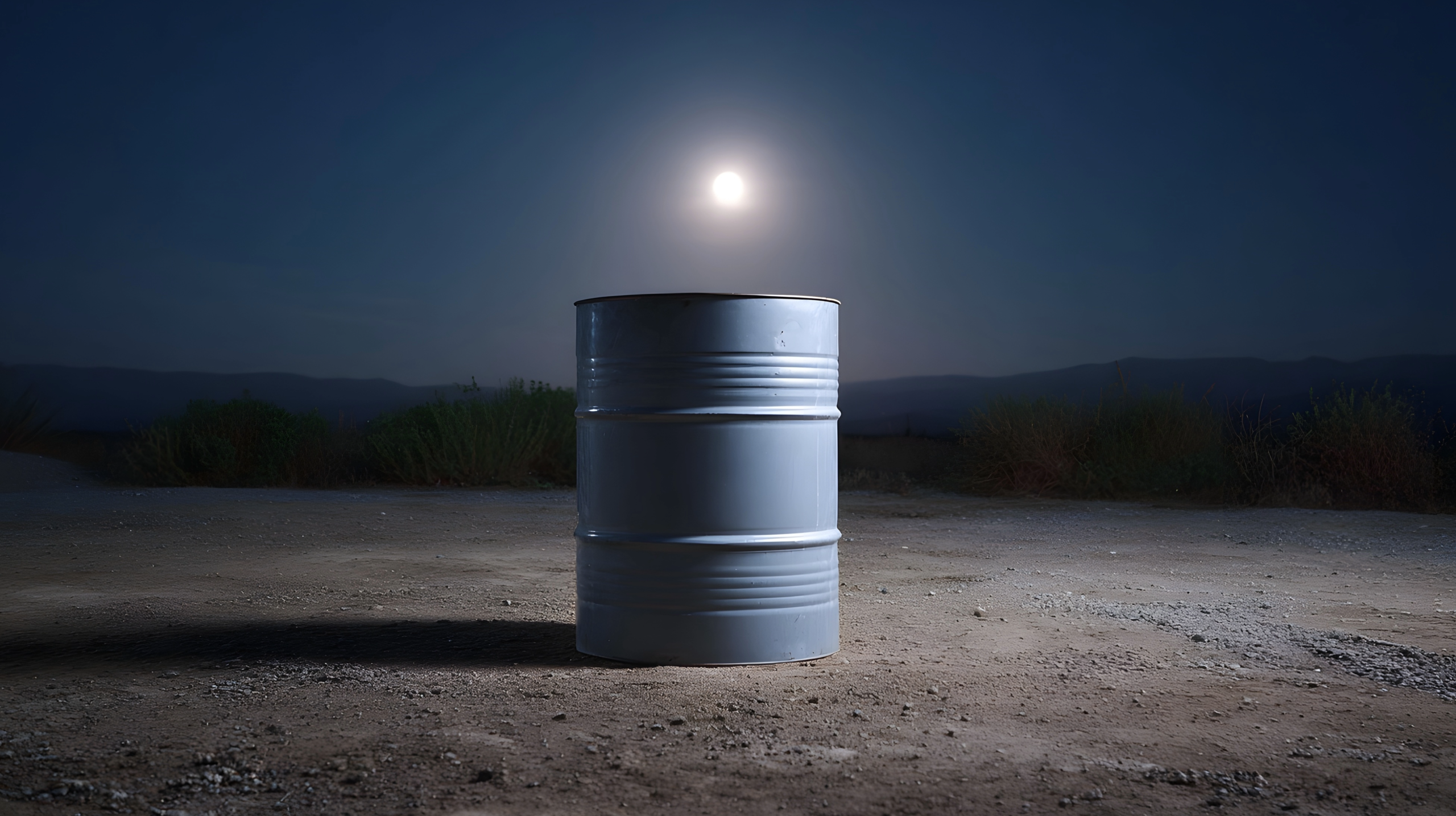
You may have read that title and decided that I must be crazy. Nuclear waste is thought of as being fluorescent green, leaking out of bright yellow barrels and likely to kill you if you look at it wrong. So, why would I offer to hug it?
These images associated with nuclear waste are incorrect, created by pop culture and a lack of education about nuclear energy. With the UK’s recent investments into Small Modular Reactors, focus has been brought back to the concerns of nuclear waste disposal.
The Windscale fire and other incidents at the Windscale site are often the first thing that comes to mind when talking about nuclear power in the UK. However, the plant’s incidents were due to the plant having been built and designed before we had a true understanding of how to manage nuclear energy safely. The Windscale fire and the first leak from the MSSS, the Magnox Swarf Storage Silo, both occurred prior to Chernobyl, which caused the formation of the World Association of Nuclear Operators and the International Atomic Energy Agency. These organisations maximise safety and share the practices that should be used by plants, setting safety standards.
Taking a look at modern nuclear waste programs, it is obvious that current knowledge and safety standards mean that we now understand how to safely deal with nuclear waste. One successful example of nuclear energy is France, where 70% of their power is generated from nuclear energy. They use different storage solutions for different levels of radioactivity, with only 2.5% of the waste produced needing the most protective level of storage. This relies on a process where water cools and forms glass with the liquid waste, encapsulating the waste in metal, which is then stored in concrete canisters.
These concrete canisters, called dry casks, are extremely safe. The NRC state that the risk of fatality per dry cask is 3.2×10^-14 for a year of storage. However, in 2025, UCL estimated that 1 in 5 deaths can be attributed to fossil fuel pollution. These values show that nuclear waste is portrayed as far more dangerous and harmful than it actually is.
The rest of the waste, made of less radioactive materials, is usually stored in metal canisters, that are then stored in warehouses. You may be concerned that this doesn’t seem like enough to stop the radiation, but it is. Much of this weaker radiation can be easily and effectively stopped by steel, hence the metal cannisters can stop this.
Now that I may have convinced you that nuclear waste is not as dangerous as you may have thought, due to its rigorous storage methods, what if I told you that it can be used for good?
In the USA, a company called IsoTek have been able to extract medical grade isotopes of thorium-229, a rare but critical isotope for cutting-edge cancer treatment, from nucleur waste. They started these extractions in 2022, and have managed to extract 15 grams of Thorium-229 from some Uranium-233 waste from the 1950s. Other than this 15g grams uncovered by IsoTek, only one gram exists in the entire world, making this small amount hugely important. In 2024, IsoTek announced that they had enough Thorium-229 to begin providing sustained access of this isotope to the global pharmaceutical community, allowing more treatments to be provided, at a lower cost.
Therefore, although nuclear power and its waste can be dangerous, this energy source deserves a chance to prove that it is the future of clean energy (until we work out nuclear fusion) and so we should stop treating it with scepticism.
